Verde Valley, Arizona: A River of Secrets in Red Rock Country
Leaving Quartzsite in late winter, the desert starts to change long before you notice the exact mile where it happened. The saguaros thin out. The hills turn gold, then green. And then, all of a sudden, you drop into a broad river valley with cottonwoods along the water, vineyards on the benches, and red rock towers standing over everything like old kings. This is the Verde Valley - and it may be the most surprising corner of Arizona we have rolled through.
A River That Refuses to Quit
The Verde is one of the last rivers in Arizona that still runs free the length of its valley, fed by springs and side canyons all year long. In a state where most rivers are remembered in the past tense, that makes it precious. Riparian corridors like this one are wildlife magnets - herons, beavers, otters, eagles - and the cottonwood-willow woods along the banks are some of the richest bird habitat in the country.
The Spanish name gives the game away: verde, green. From the ridge tops the valley looks like a green ribbon stitched between desert mountains. Down by the water it is cool and shaded, the exact opposite of the cactus country two hours south. We kept having to remind ourselves we were still in Arizona.
The People of the Cliffs
The valley's first surprise is how crowded it used to be. Between roughly 1100 and 1400 AD, the Sinagua - the Spanish called them that, "without water," for the dry country they farmed - built villages across the valley, farming the floodplains and trading far and wide. Their descendants in the region include the Hopi and the Yavapai, and the sites they left behind are now some of the best-preserved in the Southwest.
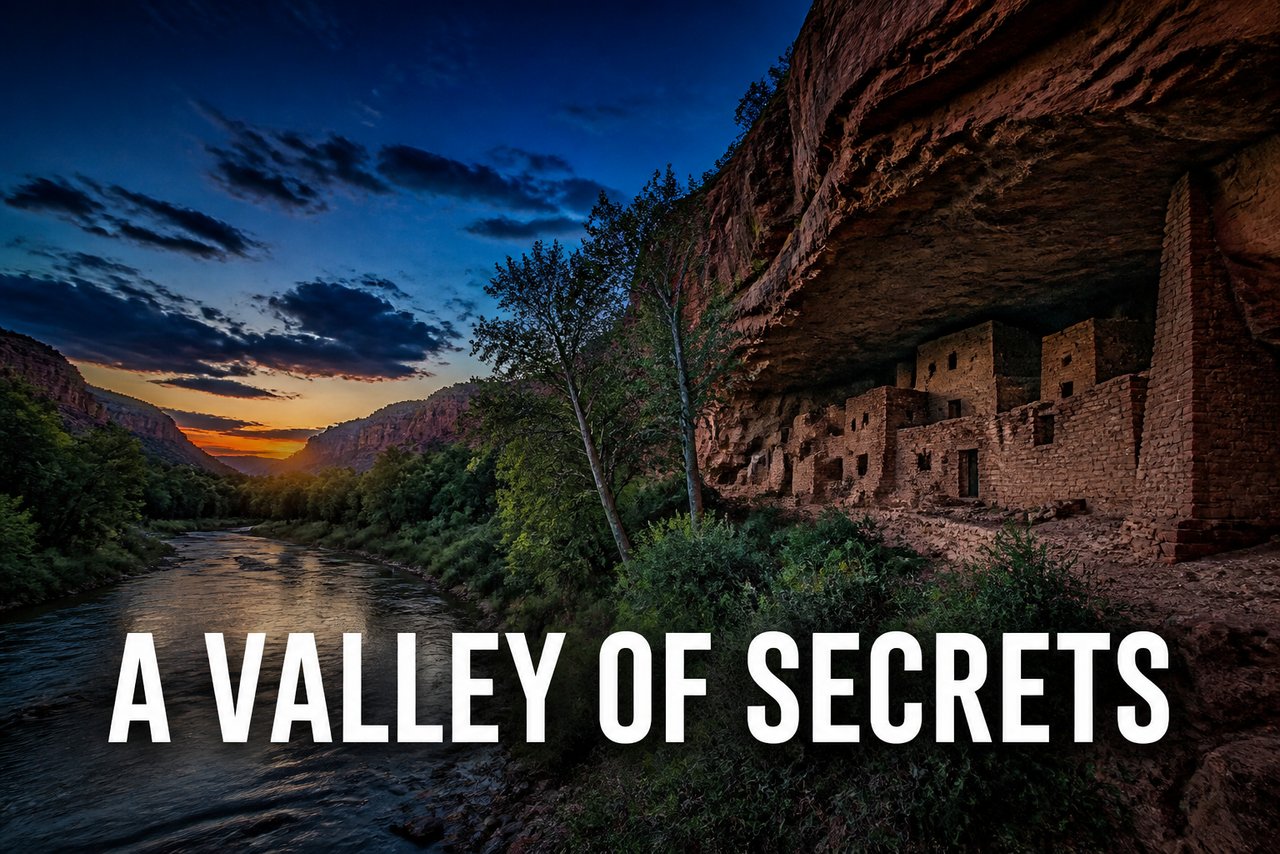
Montezuma Castle is the star: a five-story apartment of limestone and mud mortar tucked into a cliff alcove high above Beaver Creek, with about twenty rooms. The SINAGUA built it in the 1100s and lived there for over two centuries. Because it sits up in the cliff, out of the weather and out of reach, it is one of the best-preserved cliff dwellings in North America. The early American settlers who found it were so sure it was Aztec they named it after the emperor - wrong on both counts, but the name stuck, and the wrongness is half the lesson.
A few miles away, Montezuma Well is a limestone spring that pours out well over a million gallons a day into a collapsed sinkhole, at a water temperature that never changes. Water exits the well through a cave into the old canal system - some of which the Sinagua dug and their successors used, in some form, for centuries. You can stand at the rim and watch swimmers of a different kind: tiny shrimp-like amphipods that exist nowhere else in the world.
Then there is Tuzigoot, a hilltop pueblo above the river where dozens of rooms grew over centuries into a compact stone village with views in every direction. Walking the ridge path, you get why they picked the spot: fields below, water below, defense built in.
Rails, Wine, and Old Town Evenings
The Sinagua were not the last ones to figure out this valley. Later came the miners and the railroads - and the valley's copper era is remembered in Clarkdale, where the Verde Canyon Railroad still runs vintage locomotives up a wild, twisty stretch of the river canyon that no road follows. The train is the easy way into that country; keep your camera ready for bald eagles.
Old Town Cottonwood has turned the valley's farm history into patios and tasting rooms - the Verde Valley Wine Trail runs through it, with vineyards up in Page Springs and Cornville along Oak Creek. And Dead Horse Ranch State Park, right by the river, makes an easy picnic stop with lagoons and trails.
Base-camping in the valley, we covered a lot: the ruins in the morning, wine country in the afternoon, red rock country at golden hour. Sedona's famous towers are just over the ridge to the north, close enough for a day run.
Why the Valley Sticks With You
Some places you visit for one thing - a ruin, a train, a tasting room. The Verde Valley has all of those, but the thing that stays with you is the layering. The Sinagua farmsteads, the Spanish name, the copper barons' railroad, the modern wine country - all of it stacked in one green valley in the middle of the desert.
When we pulled out, climbing back into the chaparral and cactus country, we both said the same thing: this valley has more stories than a valley that size has any right to have. Bring water, bring your curiosity, and give it more days than you think you need.